CloroxPro Blog – Professional Cleaning and Disinfection Insights
A blog from industry experts devoted to public health awareness, best practices, and the role of environmental cleaning and disinfection, to promote safer, healthier public spaces.
Emerging pathogens: On the radar in healthcare facilities https://www.cloroxpro.ca/blog/emerging-pathogens-on-the-radar-in-healthcare-facilities/ December 5, 2025 December 5, 2025 https://www.cloroxpro.ca/wp-content/uploads/2025/12/7074073_001_cpclorox_1200x627_dec_blog-1.jpgEmerging pathogens: On the radar in healthcare facilities
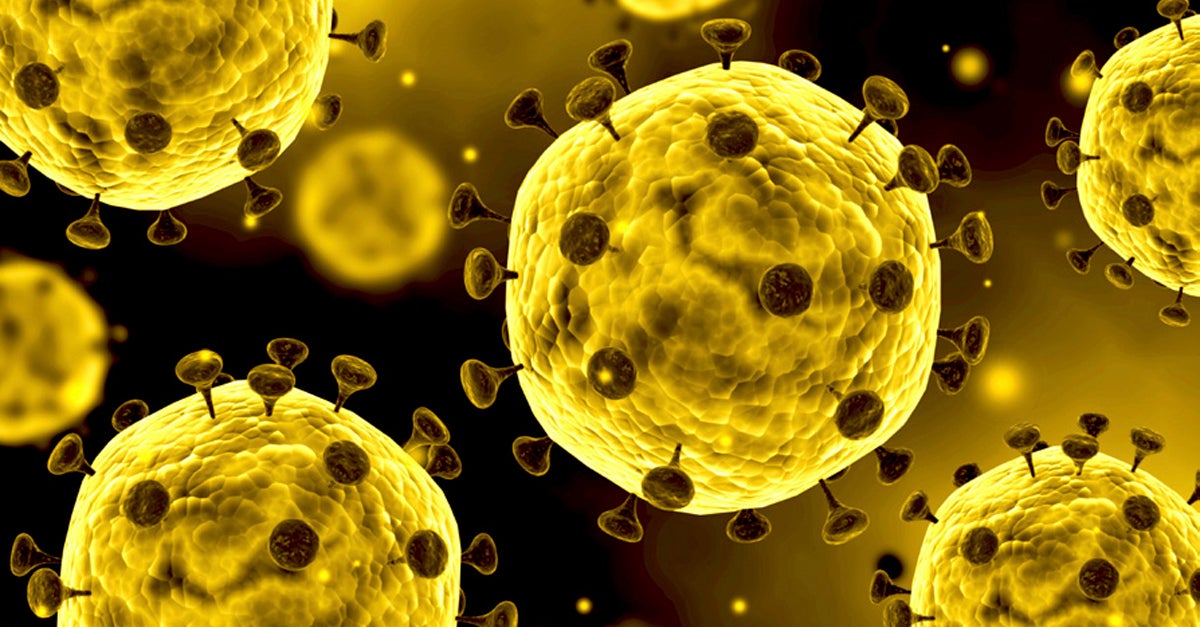
Emerging pathogens are a serious concern in healthcare facilities due to the ease of transmission and the threat to high-risk patients. The development of antimicrobial resistance is further cause for concern. Combined, these factors combine to create an environment where novel infectious agents can spread quickly and cause severe illness or death.
Pathogens including viruses, bacteria and fungi enter Canadian healthcare facilities in a number of ways – through those receiving care, working, visiting or volunteering. Once inside a facility, pathogens spread through various modes of transmission: direct person-to-person contact, indirect contact from a contaminated surface to a person, and via droplet or airborne transmission.
Respiratory pathogens
Most respiratory illnesses are caused by RNA viruses, which have high mutation rates. Respiratory infections can be caused by either the emergence of new variants of known respiratory pathogens, like influenza A(H3N2), or the emergence of newly identified or unknown pathogens.
Influenza: The Public Health Agency of Canada is predicting the second severe influenza season in a row, linked to an evolving H3N2 strain that could be a mismatch for this year’s flu vaccine. H3N2 is a strain of influenza A that is known for more severe infections, especially among older people and immune-compromised. Hospitalization for the flu signifies serious infection, and introduces potential transmission to other patients, along with staff and visitors.
Avian influenza: Influenza A virus subtype H5N1 is a subtype of the influenza A virus, which causes avian influenza – or “bird flu”. H5N1 has been circulating since 1996. While the threat of transmission to humans remains low, there were 81 confirmed human cases globally in 2024, which has put avian influenza emerging as a major concern for public health officials in 2025.
Respiratory syncytial virus: RSVcan cause serious illness in high-risk groups including the elderly, immune-compromised individuals and infants and young children.
Coronaviruses: Including COVID-19, SARS and MERS, coronaviruses have become especially high-profile since the COVID-19 pandemic. Since then, a number of new variants have been circulating, including some associated with milder disease. Coronavirus infections still have potential to be widespread and cause serious illness, particularly for those at higher risk (age, immune-compromised) and unvaccinated.
Measles
We may not think of measles as an “emerging pathogen”, but in Canada, a multi-province outbreak has persisted for over a year. As a result, Canada has lost its measles elimination status after nearly three decades; it can only be re-established once transmission of the currently circulating measles strain is controlled for at least 12 months. Measles can pose serious illness to hospitalized patients.
Antimicrobial resistance
A number of pathogens are becoming increasingly resistant to existing antibiotics and antifungals. Infection can occur in patients with weakened immune systems, chronic lung disease, on breathing machines or using urinary or intravenous catheters, or are surgical patients. The list of multidrug-resistant bacteria includes:
- Enterobacteriaceae, such as Klebsiella pneumoniae and Escherichia coli (E. coli) can cause pneumonia or serious infections of the urinary tract, bloodstream and wounds.
- Pseudomonas aeruginosa: P. aeruginosa bacteria can cause mild illness in healthy people, such as ear infections and skin rashes, but can also cause serious bloodstream infections or pneumonia in hospitalized patients. Some strains of P. aeruginosa are resistant to most or all antibiotics.
- Clostridioides difficile: C. difficile bacteria can cause mild to severe life-threatening diarrhea, most commonly in those on antibiotics. C. difficile is not yet significantly resistant to the drugs used to treat it, but these drugs may be ineffective and can also leave the patient vulnerable to disease recurrence.
- Methicillin-resistant Staphylococcus aureus (MRSA) and vancomycin-resistant Staphylococcus aureus (VRSA): S. aureus bacteria are a leading cause of healthcare-associated infections, from skin infections and pneumonia to bloodstream, heart valve and surgical site infections.
Preparing for prevention
Because the hospital environment can so easily support the transmission of many pathogens, minimizing contamination in all areas, from patient rooms to public areas, is critical. Risk of transmission can be minimized by the use of appropriate cleaning and disinfection protocols. The choice of products for targeted, effective cleaning and disinfection is ideally based on efficacy, safety, surface compatibility, and consistent and efficient use. Staying informed on emerging pathogens means staying a step ahead with the choice of the right active ingredient for the job!
Protect your Cleandom against emerging pathogens with the ease of one-step ready-to-use wipes! For efficient and effective cleaning and disinfection, choose CloroxPro™.
The following cleaner disinfectants have demonstrated effectiveness against multiple pathogens on hard, nonporous surfaces when used according to directions.
Clorox Healthcare™ VersaSure® Disinfecting Wipes (DIN 02473151)
- Low odour, low residue, high efficacy, alcohol-free.
- Kills Influenza A viruses, RSV and measles virus in 30 seconds.
- Kill viruses and bacteria including cold and flu germs, MRSA, staph, E. coli, strep, salmonella and the organism that can cause whooping cough.
- Also tough on common allergens, grease, grime and soap scum.
- Ideal for use in high-traffic areas, in personal areas like resident rooms and bathrooms, along with hot spots like doorknobs and phones.
Clorox Healthcare™ Bleach Germicidal Disinfectant Wipes (DIN: 02465671)
- Health Canada registered to kill 66 pathogens.
- Kills Avian influenza A and H5N1 viruses in 1 minute.
- Kills viruses in 1 minute and bacteria in 30 seconds.
- C. difficile sporicidal efficacy tested in the presence of 3-part organic soil load.
- Available in clinical canister and EVS bucket wipe size formats.
Learn more about CloroxPro™ products that can help protect your Cleandom.
Interested in speaking to a representative about customized solutions and a free demo and training? Contact us today.
