CloroxPro Blog – Professional Cleaning and Disinfection Insights
A blog from industry experts devoted to public health awareness, best practices, and the role of environmental cleaning and disinfection, to promote safer, healthier public spaces.
Sepsis: Strategies to meet the challenge in healthcare facilities https://www.cloroxpro.ca/blog/sepsis-strategies-to-meet-the-challenge-in-healthcare-facilities/ June 9, 2026 June 9, 2026 https://www.cloroxpro.ca/wp-content/uploads/2026/06/AdobeStock_1864313965_edit_1200x627px_rgb.jpgSepsis: Strategies to meet the challenge in healthcare facilities
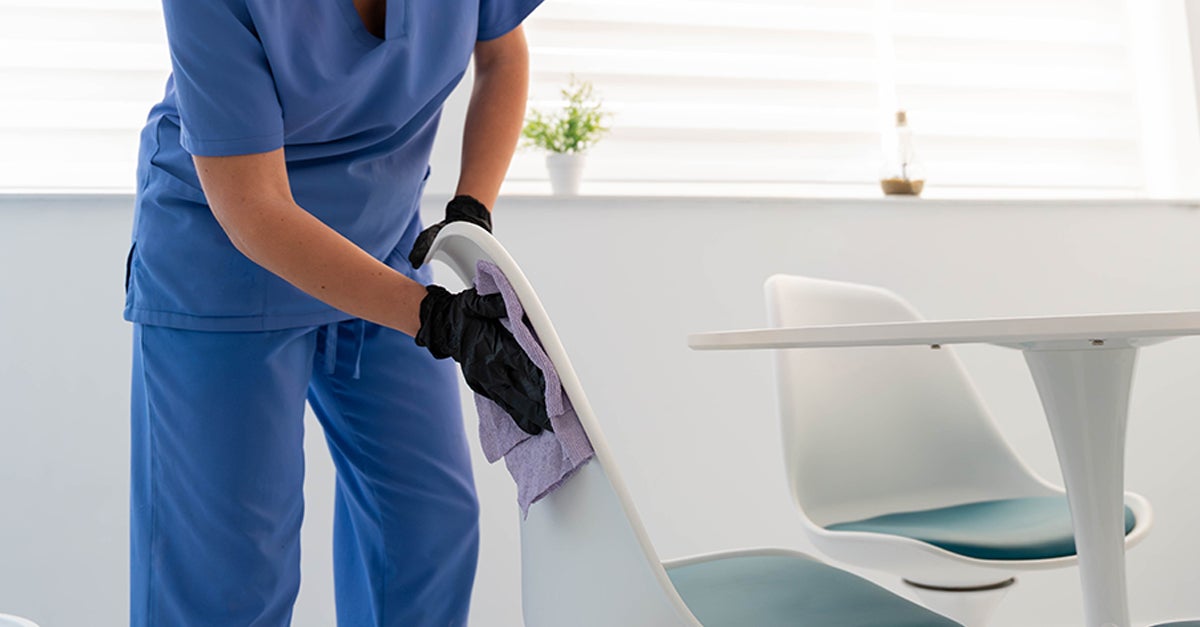
“Sepsis”: It’s a word that many may be familiar with, and may understand that it is associated with severe illness. But what is the cause of sepsis, the implications for health, and what are recommended strategies for prevention within healthcare facilities?
What causes sepsis?
Sepsis is defined as “life-threatening organ dysfunction caused by the dysregulated host response to an infection”. Simply put, sepsis is caused by the body’s extreme response to an infection that may have been untreated, or not successfully treated. The immune system overreacts to the infection and triggers widespread inflammation in the body. Rather than fight the primary infection at the source – which could be an infected wound, a kidney or lung infection, for example – the body’s immune overreaction causes damage to other organs and tissues, and can lead to rapid organ failure and death.
In Canada, one in 18 deaths involves sepsis. The mortality rate is 30-50%, and it is the 12th leading preventable cause of death nationally. Many of those who are successfully treated for sepsis are left with long-term disability and have an increased risk of rehospitalization and death.
What types of infections can lead to sepsis? Most sepsis cases are caused by bacterial infections, but viral, (e.g., influenza), fungal, and parasitic infections can also trigger it. It’s important to note that not all infections result in sepsis, and sepsis is not contagious. Examples of infections that often lead to sepsis include:
- Pneumonia
- Kidney/urinary tract infections
- Gastrointestinal: Infections of the appendix, gallbladder, or bowel
- Skin: Bacteria entering through wounds, cuts, or burns
- Viruses like influenza, COVID-19
- Medical procedures: Surgery and medical procedures, use of medical devices like IV lines or catheters.
Nosocomial or in-hospital sepsis
Sepsis can also be acquired in a hospital. Nosocomial, or hospital-acquired sepsis, is identified after a patient’s admission to an acute care hospital, whether they were admitted for treatment of an infection or another illness or condition.
What pathogens can be involved in sepsis?
Canadian tracking data show that major pathogens include Staphylococcus aureus, Escherichia coli, Streptococcus pneumoniae, as well as less commonly occurring Clostridioides difficile (CDI), methicillin-resistant Staphylococcus aureus (MRSA), and carbapenemase-producing organisms (CPO). In healthcare facilities, vancomycin-resistant enterococci (VRE) bloodstream infections may also be implicated. Candida species are also associated with hospital-acquired infections.
Strategies for prevention: Focus on environmental cleaning
In healthcare facilities, medical approaches for patient management are primary strategies for sepsis prevention. In addition, environmental cleaning and disinfection protocols and practices focus on breaking the chain of infection that can lead to sepsis. Provincial guidelines for environmental cleaning, such as those from Public Health Ontario, and national guidelines from the Public Health Agency of Canada (PHAC) and IPAC Canada have established guidelines for healthcare facilities.
Key guidelines and practices in selecting the right products for environmental cleaning include:
- Identify the appropriate active ingredient:
- Ensure that products are approved by Health Canada with a Drug Identification Number (DIN).
- Efficacy: Use products with efficacy against identified/key pathogens associated with sepsis.
- Contact time: Disinfectants must remain wet on surfaces for the required time specified by the manufacturer to be effective.
- Surface compatibility: The product must be compatible with surfaces and equipment to prevent damage.
- Ease of use: A ready-to-use formulation like ready-to-use wipes clean and disinfect with one product. Cleaning and disinfecting needs can be met with ease of consistent use.
- Follow recommendations for routine cleaning and disinfection of high-touch surfaces in patient rooms, treatment areas and public areas: e.g., bed rails, call buttons light switches, door handles.
- Ongoing staff training: Dedicated, trained staff who are up-to-date on current pathogen challenges are essential to maintaining a safe, disinfected environment.
The bottom line: Be prepared. Sepsis is an ever-present challenge. Following provincial and national guidelines for best practices and identifying the appropriate products to reduce the risk are key strategies for prevention.
Look to CloroxPro™ for the products and active ingredients suited to cleaning and disinfecting surfaces in your facility.
Use as directed for optimal results.
Clorox Healthcare™ Bleach Germicidal Disinfectant Wipes (DIN: 02465671)
A bleach-based formula in an easy-to-use wipe format, with fast disinfection efficacy, favourable surface compatibility and residue profile.
- Health Canada registered to kill 66 pathogens.
- Kills C. difficile in 3 minutes, E. coli and Salmonella in 30 seconds and Norovirus in 1 minute.
- Kills viruses in 1 minute and bacteria in 30 seconds.
- C. difficile sporicidal efficacy tested in the presence of 3-part organic soil load.
- Available in clinical canister and EVS bucket wipe size formats.
Clorox Healthcare™ Hydrogen Peroxide Cleaner Disinfectant Wipes (DIN: 02406225)
Active ingredient: hydrogen peroxide. No benzyl alcohol. Ideal for daily use in high-turnover areas.
- Contact time: 30 seconds to 4 minutes.
- C. auris contact time: 2 minutes.
- Kills mycobacteria that causes TB and 15 other pathogens in 1 minute.
- Kills 59 pathogens in 30 seconds to 4 minutes.
- 30 seconds to 1 minute contact times on most bacteria and viruses.
- Comes in a range of sizes and formats for use on hard surfaces, including clinical use, daily patient room cleaning, terminal cleaning and on-the-go disinfecting.
Clorox Healthcare™ VersaSure® Alcohol-Free Cleaner Disinfectant Wipes (DIN: 02473151)
Alcohol-free quat formula with broad-spectrum disinfection; contact times from 30 seconds to 2 minutes.
- Kills 50 pathogens in 30 seconds to 2 minutes.
- Kills E. coli, Norovirus and Salmonella in 2 minutes.
- Kills SARS-CoV-2, measles and mumps virus, HIV and Influenza A virus in 30 seconds.
- Non-abrasive, very low residue on surfaces.
- No harsh chemical odour.
- Stays wet for contact time.
Learn more about CloroxPro™ products to support best choices for your facility.
Interested in speaking to a representative about customized solutions and a free demo and training? Contact us today.
